
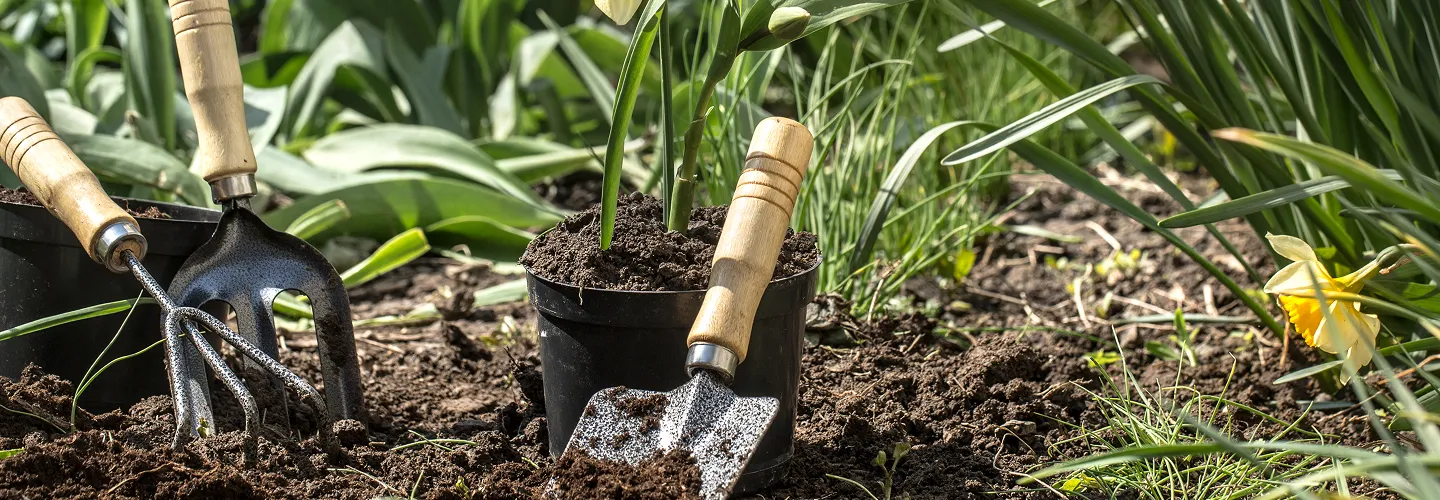
New Shoreham Weeding Services
Choose our professional weeding services for a healthier, more beautiful landscape—our experienced team removes unwanted growth efficiently, ensuring your plants thrive and your outdoor space stays immaculate all season long.
Get a Free QuoteOur New Shoreham Landscaping & Yard Care Services
When to Schedule Weeding in New Shoreham, Rhode Island – Seasonal Guide
In New Shoreham, Rhode Island, the best times to schedule weeding are closely tied to the island’s unique climate and landscape. Early spring, just after the last frost, is ideal for tackling emerging weeds before they establish deep roots. Late summer and early fall are also effective periods, as the soil remains workable and weed growth can be managed before winter dormancy. The island’s proximity to the Atlantic means humidity levels can fluctuate, especially in neighborhoods near Crescent Beach or the Great Salt Pond, impacting both weed growth and soil conditions.
Local factors such as sandy soils, common in areas around Corn Neck Road, and shaded lots beneath mature oaks or maples can influence the timing and frequency of weeding. It’s important to consider the risk of drought during July and August, as well as municipal guidelines for yard maintenance, which can be found on the town’s official website. By understanding these local nuances, homeowners can maintain healthier, more attractive landscapes throughout the year.
Local Factors to Consider for Weeding in New Shoreham
- Tree density and shade coverage, especially in wooded neighborhoods
- Soil type (sandy vs. loamy) and drainage
- Seasonal precipitation and drought risk
- Proximity to coastal areas and salt exposure
- Municipal restrictions or guidelines for yard maintenance
- Terrain and slope, which affect water runoff and weed spread
Benefits of Weeding in New Shoreham

Expert Local Knowledge
Efficient Weed Removal
Eco-Friendly Practices
Consistent Lawn Health
Customized Landscaping Solutions
Reliable Scheduling

New Shoreham Weeding Types

Hand Weeding
-
Mechanical Weeding
-
Mulching for Weed Control
-
Herbicide Application
-
Flame Weeding
-
Soil Solarization
-
Cover Cropping
Our Weeding Process
Site Evaluation
Weed Identification
Targeted Removal
Soil Treatment
Final Inspection
Why Choose New Shoreham Landscape Services

-
New Shoreham Homeowners Trust Us
-
Expert Lawn Maintenance
-
Reliable Seasonal Cleanups
-
Efficient Irrigation Solutions
-
Comprehensive Property Care
-
Competitive Pricing
-
Professional and Courteous Team
Managing Invasive Weeds in New Shoreham’s Coastal and Wetland Buffer Zones
Weed management in New Shoreham requires strict adherence to local ordinances protecting sensitive coastal and wetland areas. Properties adjacent to Great Salt Pond, Fresh Pond, and the island’s numerous wetlands must maintain a 25-foot no-disturbance buffer, as outlined in the New Shoreham Town Ordinances. Removal of invasive species such as Japanese knotweed or phragmites is permitted within these buffers only with hand tools—mechanical or chemical methods are prohibited to prevent runoff into protected waters. All debris must be collected in biodegradable bags and disposed of at the town transfer station. Residents are required to avoid any soil disturbance within the buffer zone and to consult the USDA Web Soil Survey for site-specific soil data. For guidance on buffer management and compliance, contact:
New Shoreham RI Conservation Commission
16 Old Town Road, New Shoreham, RI 02807
Phone: (401) 466-3200
Official Website: New Shoreham RI Conservation Commission
Soil Series and Drainage Considerations for Weeding in New Shoreham
New Shoreham’s soils are predominantly classified as Bridgehampton silt loam and Haven loam, both formed from glacial till and characterized by moderate to poor drainage and a pH range of 5.5-6.5. These conditions favor the growth of aggressive weeds such as mugwort and bindweed, especially in low-lying areas with seasonal water tables at 12-18 inches. Effective weeding requires:
- Soil testing every 2-3 years (available through University of Rhode Island Cooperative Extension, $15-25 per test)
- Compost incorporation: 2-3 inches tilled to 6-inch depth
- Lime application if pH falls below 6.0
- Avoiding mechanical disturbance during wet periods to prevent compaction For site-specific recommendations, consult the USDA Web Soil Survey and coordinate with:
New Shoreham RI Department of Public Works
16 Old Town Road, New Shoreham, RI 02807
Phone: (401) 466-3232
Official Website: New Shoreham RI Department of Public Works
Seasonal Timing and Equipment Standards for Weeding on Block Island
Weeding in New Shoreham is best scheduled from April 15 to June 15 and again from September 1 to October 15, when soil temperatures range from 50°F to 65°F and weed seedlings are most vulnerable. The town’s USDA Hardiness Zone is 6b-7a, with a maritime climate that extends the growing season but also increases weed pressure. Equipment operation is regulated under local noise ordinances:
- Monday-Friday: 7:00 AM - 7:00 PM
- Saturday: 8:00 AM - 6:00 PM
- Sunday and holidays: Prohibited All operators must use commercial-grade trimmers with functioning mufflers and wear ANSI Z87.1 safety glasses, hearing protection for noise above 85 dB, and cut-resistant gloves. For up-to-date weather forecasts and soil temperature data, refer to the National Weather Service - Boston/Norton Office.
Environmental Compliance: State and Federal Weeding Regulations in New Shoreham
Weeding activities in New Shoreham must comply with the Rhode Island Environmental Rights Act and the Clean Water Act, which prohibit the discharge of plant debris or chemicals into storm drains and water bodies. The town operates under an MS4 permit, requiring:
- No yard waste or clippings in storm drains
- 25-foot buffer from all wetlands and watercourses
- Prohibition of herbicide application within 50 feet of water bodies
- Use of only state-registered products for any chemical control For questions on compliance, contact:
Rhode Island Department of Environmental Management
235 Promenade Street, Providence, RI 02908
Phone: (401) 222-4700
Official Website: Rhode Island Department of Environmental Management
What Neighborhoods Do We Serve Throughout New Shoreham, RI?
- Old Harbor: Dense commercial and residential mix with compacted soils and high foot traffic, requiring frequent hand weeding and careful debris management.
- New Harbor (Great Salt Pond area): Proximity to tidal wetlands and marinas necessitates strict buffer compliance and avoidance of chemical controls.
- Southeast Light District: Exposed coastal bluffs with sandy soils and wind-driven seed dispersal, demanding regular monitoring for invasive species.
- Corn Neck Road Corridor: Large lots with mixed woodland and open fields, often adjacent to conservation land, requiring coordination with local ordinances and wildlife protection measures.
- Spring Street Historic Area: Older properties with mature landscaping and stone walls, where manual weeding is essential to preserve historic features and prevent root disturbance.
- Beacon Hill: Elevated terrain with rocky soils and drainage challenges, making weed removal labor-intensive and necessitating erosion control practices.
- West Side (Cooneymus Road area): Rural lots with seasonal wetness and proximity to freshwater ponds, requiring careful timing and compliance with wetland buffer regulations.