
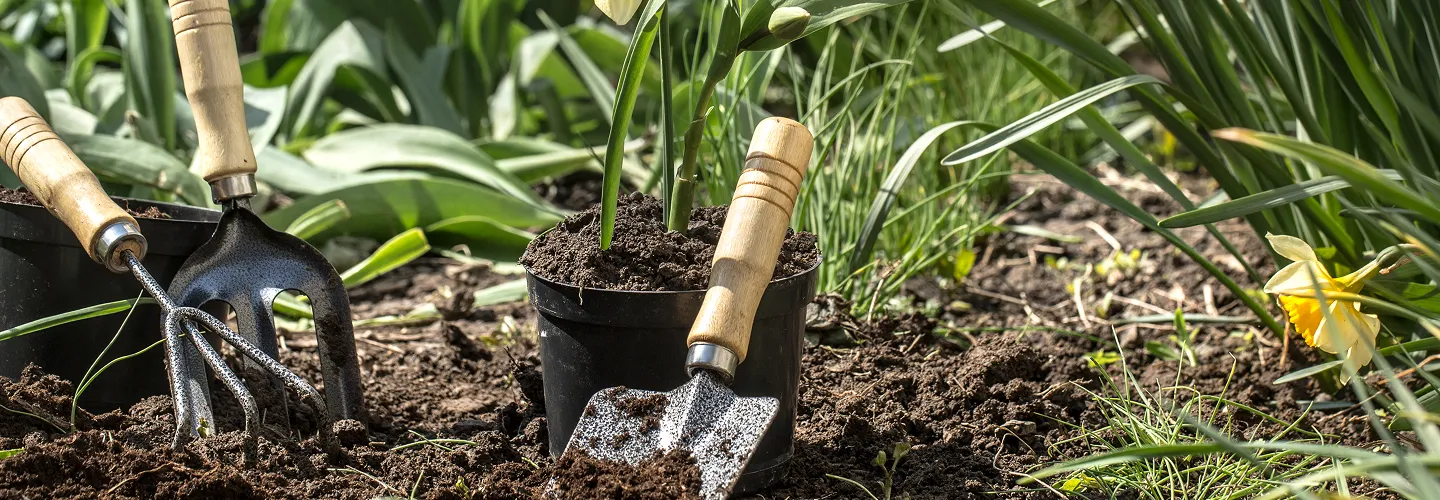
New Shoreham Flower Planting Services
Choose our flower planting services for vibrant, expertly arranged blooms that enhance your curb appeal and thrive in New Shoreham’s unique climate—bringing lasting beauty to your outdoor spaces.
Get a Free QuoteOur New Shoreham Landscaping & Yard Care Services
When to Schedule Flower Planting in New Shoreham, Rhode Island – Seasonal Guide
Flower planting in New Shoreham, Rhode Island, is best scheduled with careful attention to the island’s unique coastal climate and landscape. The optimal planting windows typically fall in late spring, after the last frost—usually around mid-May—and again in early fall, when temperatures are mild and rainfall is more consistent. Neighborhoods near Old Harbor and the rolling meadows by Mohegan Bluffs often experience slightly different microclimates, so it’s important to consider your specific location when planning.
Local environmental factors such as the island’s sandy soils, high humidity, and occasional drought conditions can impact both the timing and success of flower planting. Areas with dense tree coverage, like those near Rodman’s Hollow, may require special attention to shade-tolerant varieties. Always check the latest frost dates and consult resources like the Sudbury town website for updates on municipal guidelines or water use restrictions.
Local Factors to Consider for Flower Planting in New Shoreham
- Proximity to the coast and salt spray exposure
- Tree density and available sunlight
- Soil type (sandy, loamy, or clay)
- Average precipitation and drought risk
- Frost dates and seasonal temperature swings
- Terrain and drainage patterns
- Municipal restrictions on planting or irrigation
Benefits of Flower Planting in New Shoreham
Expert Local Knowledge
Customized Landscape Designs
Seasonal Plant Selection
Eco-Friendly Practices
Reliable Maintenance Services
Enhanced Curb Appeal

New Shoreham Flower Planting Types

Perennial Flower Beds
-
Annual Flower Displays
-
Native Wildflower Gardens
-
Pollinator-Friendly Plantings
-
Shade Garden Flowers
-
Coastal Tolerant Blooms
-
Seasonal Bulb Plantings
Our Flower Planting Process
Site Evaluation
Soil Preparation
Plant Selection
Careful Planting
Watering and Mulching
Why Choose New Shoreham Landscape Services
-
New Shoreham Homeowners Trust Us
-
Expert Lawn Maintenance
-
Reliable Seasonal Cleanups
-
Efficient Irrigation Solutions
-
Comprehensive Property Care
-
Competitive Pricing
-
Professional and Courteous Team
Soil Series and Drainage Considerations for Flower Planting in New Shoreham
Flower planting in New Shoreham requires careful attention to local soil conditions, which are predominantly Inceptisols and Udults formed from glacial till and coastal sands. These soils are moderately acidic, with pH typically ranging from 5.5 to 6.5, and often exhibit poor drainage, especially in low-lying areas. Before planting, it is recommended to conduct a soil test through the University of Rhode Island Cooperative Extension (typical cost: $15-25) to determine pH and nutrient levels. For optimal flower bed establishment:
- Incorporate 2-3 inches of compost tilled to a 6-inch depth
- Apply lime if pH is below 6.0
- Ensure raised beds or amend with sand in poorly drained sites
- Avoid planting in areas with standing water after rainfall Research local soil series using the USDA Web Soil Survey for site-specific recommendations. Coordination with the Conservation Commission is advised for plantings near wetlands or protected areas.
New Shoreham RI Conservation Commission
16 Old Town Road, New Shoreham, RI 02807
Phone: (401) 466-3200
Official Website: New Shoreham RI Conservation Commission
Seasonal Timing and Climate Zone Guidance for New Shoreham Flower Planting
New Shoreham is located in USDA Hardiness Zone 6b-7a, with average last frost dates in late April and first frost in late October. The optimal window for planting hardy annuals and perennials is April 20 to June 1, when soil temperatures reach 50-60°F. For fall-blooming species, plant between August 20 and September 30. Avoid planting during July and August due to heat and drought stress. Monitor local weather forecasts through the National Weather Service Boston/Norton office for frost advisories and rainfall events. Key timing guidelines:
- Spring planting: April 20 - June 1 (soil temp 50-60°F)
- Fall planting: August 20 - September 30
- Avoid: July-August (heat/drought risk)
- Mulch beds in late October to protect roots from winter freeze Consult the USDA Plant Hardiness Zone Map for species suitability. For additional climate-specific advice, contact the Parks & Recreation Department.
New Shoreham RI Parks & Recreation
16 Old Town Road, New Shoreham, RI 02807
Phone: (401) 466-3223
Official Website: New Shoreham RI Parks & Recreation
Native and Salt-Tolerant Flower Species for Coastal New Shoreham Sites
Given New Shoreham’s proximity to the Atlantic Ocean and exposure to salt spray, selecting appropriate flower species is essential for long-term success. Native and salt-tolerant perennials are recommended for coastal and exposed sites. Suitable options include:
- Black-eyed Susan (Rudbeckia hirta)
- New England aster (Symphyotrichum novae-angliae)
- Seaside goldenrod (Solidago sempervirens)
- Beach rose (Rosa rugosa)
- Butterfly weed (Asclepias tuberosa)
- Wild bergamot (Monarda fistulosa)
- Daylily (Hemerocallis spp.) Plant 12-18 inches apart for groundcover and 18-24 inches for larger perennials. Deer-resistant varieties such as lavender and Russian sage are also effective in open areas. For guidance on native plant selection and pollinator support, refer to the University of Rhode Island Cooperative Extension.
Municipal Coordination and Permit Requirements for Flower Planting in New Shoreham
Flower planting on public property, within rights-of-way, or near wetlands in New Shoreham is subject to municipal ordinances and may require permits. The Building Department oversees compliance with zoning and setback requirements, while the Conservation Commission reviews plantings within 50 feet of wetlands or protected areas. Key requirements include:
- Maintain a 25-foot no-disturbance buffer from wetlands
- Obtain a permit for plantings in public spaces (application fee: $25; review time: 7-10 business days)
- Adhere to setback requirements: 10 feet from property lines, 50 feet from water bodies
- Use biodegradable mulch; plastic sheeting is prohibited
- Equipment operation hours:
- Monday-Friday: 7:00 AM - 7:00 PM
- Saturday: 8:00 AM - 6:00 PM
- Sunday/holidays: Prohibited Review New Shoreham Town Ordinances for full regulatory details. For permit applications and compliance questions:
New Shoreham RI Building Department
16 Old Town Road, New Shoreham, RI 02807
Phone: (401) 466-3206
Official Website: New Shoreham RI Building Department
Environmental Compliance: Stormwater, Wetland Buffers, and State Regulations
All flower planting activities in New Shoreham must comply with state and federal environmental regulations, including the Rhode Island Environmental Rights Act and the Clean Water Act. The town operates under an MS4 stormwater permit, prohibiting soil, mulch, or plant debris from entering storm drains. Key compliance steps:
- Maintain a 25-foot buffer from wetlands and streams
- No fertilizer or pesticide application within 50 feet of water bodies
- Use only slow-release, phosphorus-free fertilizers
- Collect and dispose of plant debris in biodegradable bags; weekly collection is Thursday, April-November
- Prohibited: Dumping debris in storm drains or wetlands For questions on stormwater compliance, contact the Department of Public Works.
New Shoreham RI Department of Public Works
16 Old Town Road, New Shoreham, RI 02807
Phone: (401) 466-3232
Official Website: New Shoreham RI Department of Public Works
For state-level guidance, consult the Rhode Island Department of Environmental Management.
What Neighborhoods Do We Serve Throughout New Shoreham, RI?
- Old Harbor: Features compacted urban soils and high foot traffic, requiring soil amendment and salt-tolerant species for successful flower beds.
- Southeast Light Area: Exposed to strong coastal winds and salt spray, making native and wind-resistant perennials essential for plant survival.
- New Harbor: Proximity to Great Salt Pond and wetlands necessitates strict buffer compliance and careful species selection to protect water quality.
- Corn Neck Road Corridor: Sandy soils with rapid drainage; drought-tolerant and deep-rooted flowers are recommended for sustained growth.
- West Side: Larger lots with mature landscaping and occasional deer pressure; deer-resistant and shade-tolerant species are preferred.
- Spring Street District: Historic area with narrow setbacks and potential zoning restrictions; compliance with local ordinances is critical for any planting.
- Beacon Hill: Elevated terrain with variable drainage and exposure; requires erosion control measures and careful site preparation for flower beds.