
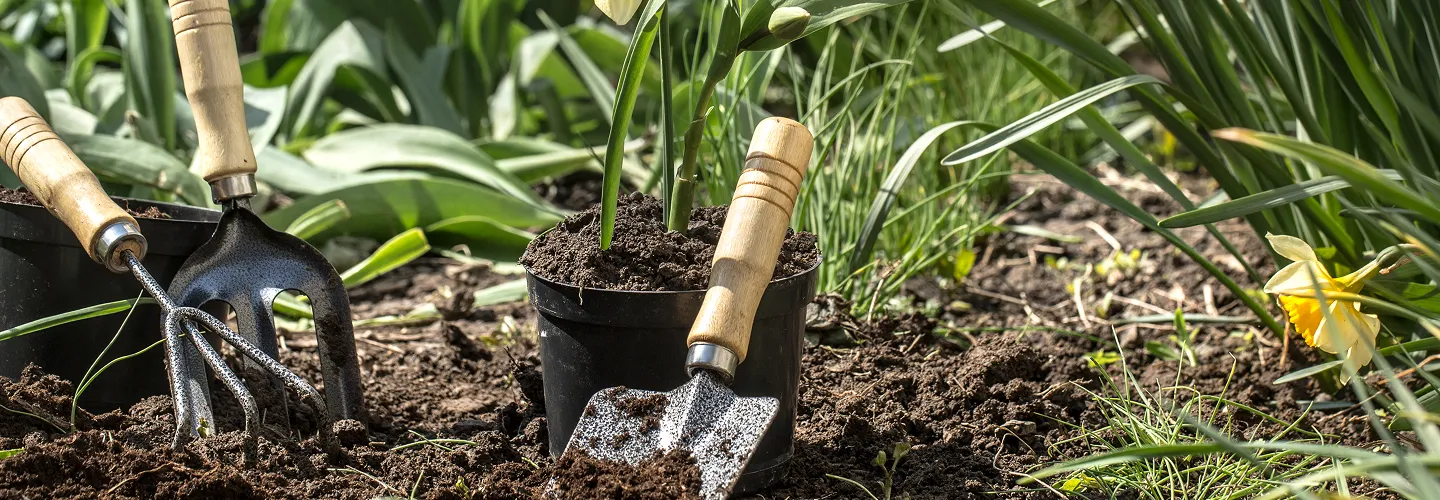
New Shoreham Plant Removal Services
Choose our plant removal services for safe, thorough, and environmentally responsible solutions that restore your landscape’s beauty and health—handled by experienced professionals you can trust.
Get a Free QuoteOur New Shoreham Landscaping & Yard Care Services
When to Schedule Plant Removal in New Shoreham, Rhode Island – Seasonal Guide
Timing is everything when it comes to plant removal in New Shoreham, Rhode Island. The island’s unique maritime climate, with its cool springs, humid summers, and mild autumns, means that the best periods for plant removal are typically late spring and early fall. These seasons offer moderate temperatures and reduced risk of soil compaction, making it easier to remove unwanted vegetation without damaging your landscape. In neighborhoods near Old Harbor or along Corn Neck Road, the proximity to the ocean can influence soil moisture and salt content, which should be considered when planning removal projects.
Local environmental factors such as the last frost date—usually in late April—play a significant role in scheduling. Removing plants before the ground fully thaws can be challenging, while waiting until after the peak of summer heat helps avoid drought stress on remaining vegetation. Areas with dense shade, like those near Rodman’s Hollow, may require different timing due to slower soil warming and higher humidity. For more information on local regulations and environmental guidelines, visit the Town of Sudbury’s official site.
Local Factors to Consider for Plant Removal in New Shoreham
- Tree density and canopy coverage
- Terrain and soil type (sandy vs. clay-rich areas)
- Seasonal precipitation and drainage patterns
- Proximity to protected wetlands or conservation zones
- Municipal restrictions and permit requirements
- Risk of drought or excessive humidity
- Accessibility in neighborhoods like New Harbor or near Mohegan Bluffs
Benefits of Plant Removal in New Shoreham
Expert Landscaping Services
Efficient Plant Removal
Eco-Friendly Disposal Methods
Improved Curb Appeal
Customized Solutions
Licensed and Insured Team
New Shoreham Plant Removal Types

Invasive Species Removal
-
Tree Stump Extraction
-
Shrub and Bush Clearing
-
Root System Removal
-
Overgrown Garden Cleanup
-
Weed Eradication
-
Dead Plant Disposal
Our Plant Removal Process
Site Evaluation
Preparation and Safety Measures
Plant Extraction
Debris Removal
Site Restoration
Why Choose New Shoreham Landscape Services

-
New Shoreham Homeowners Trust Us
-
Expert Lawn Maintenance
-
Reliable Seasonal Cleanups
-
Efficient Irrigation Solutions
-
Comprehensive Property Care
-
Competitive Pricing
-
Professional and Courteous Team
Plant Removal Ordinances and Permit Requirements in New Shoreham
Plant removal activities in New Shoreham are governed by specific municipal ordinances designed to protect the island’s unique environment and community character. According to local code, removal of trees or significant vegetation within 50 feet of wetlands or water bodies requires a permit, with an application fee typically set at $50 and a review period of up to 10 business days. All plant removal work must comply with noise ordinances, restricting equipment operation to:
- Monday-Friday: 7:00 AM - 7:00 PM
- Saturday: 8:00 AM - 6:00 PM
- Sunday and holidays: Prohibited Permit applications are processed through the Building Department, which also enforces zoning setbacks and buffer requirements. For projects near conservation areas, additional review by the Conservation Commission may be required. Full ordinance details are available in the New Shoreham Town Ordinances.
New Shoreham RI Building Department
16 Old Town Road, New Shoreham, RI 02807
Phone: (401) 466-3206
Official Website: New Shoreham RI Building Department
Soil Series and Drainage Considerations for Plant Removal in New Shoreham
New Shoreham’s soils are predominantly classified as Haven and Newport loamy sands, with glacial till and coastal sandy deposits common throughout the island. These soils are moderately acidic (pH 5.5-6.5) and often exhibit poor to moderate drainage, especially in low-lying or wetland-adjacent areas. When planning plant removal, it is essential to assess soil compaction and water table depth, as heavy equipment can exacerbate erosion or runoff. Soil testing is recommended prior to large-scale removal, with services available through the University of Rhode Island Cooperative Extension. Best practices include:
- Avoiding removal during saturated conditions (typically March-April)
- Using tracked equipment to minimize compaction
- Restoring disturbed areas with 2-3 inches of compost tilled to 6-inch depth Detailed soil maps and site-specific recommendations can be accessed via the USDA Web Soil Survey.
Environmental Compliance: Wetland Buffers and Stormwater Protections in New Shoreham
Plant removal near New Shoreham’s wetlands, salt ponds, and coastal buffers is subject to strict environmental regulations. The Rhode Island Environmental Rights Act and the town’s MS4 stormwater permit require a minimum 25-foot no-disturbance buffer from delineated wetlands and prohibit the disposal of plant debris in storm drains. All removal activities must prevent sediment runoff and protect water quality, especially in areas draining to Great Salt Pond or Block Island Sound. Compliance steps include:
- Installing silt fencing within 10 feet of work zones
- Scheduling removal outside of peak rainfall (May-September)
- Prohibiting fertilizer or herbicide use within 50 feet of water bodies State oversight is provided by the Rhode Island Department of Environmental Management, and federal requirements are enforced under the Clean Water Act.
New Shoreham RI Conservation Commission
16 Old Town Road, New Shoreham, RI 02807
Phone: (401) 466-3200
Official Website: New Shoreham RI Conservation Commission
Seasonal Timing and Weather Considerations for Plant Removal on Block Island
New Shoreham’s coastal climate (USDA Hardiness Zone 6b-7a) and exposure to Atlantic storms require careful scheduling of plant removal. The optimal window for most removal work is late October through early April, when soil is firm and vegetation is dormant. The National Weather Service Boston/Norton Office provides local forecasts to help avoid high wind or heavy rain events, which can increase erosion risk. Key timing guidelines include:
- Avoiding removal during spring thaw (March-April)
- Scheduling large projects after September 15 and before April 15
- Monitoring soil temperature (below 50°F preferred for minimal disturbance)
- Suspending work during coastal flood advisories For up-to-date weather and soil conditions, consult the National Weather Service and USDA Plant Hardiness Zone Map.
What Neighborhoods Do We Serve Throughout New Shoreham, RI?
- Old Harbor: Dense development and historic landscaping require careful coordination with local ordinances and attention to narrow access routes for equipment.
- New Harbor: Proximity to Great Salt Pond and wetland areas necessitates strict buffer compliance and erosion control during plant removal.
- Southeast Light Area: Exposed coastal bluffs and sandy soils present challenges for stabilization and require restoration with native grasses post-removal.
- Corn Neck Road Corridor: Large lots with mature trees and variable drainage demand site-specific soil assessment and adherence to setback requirements.
- West Side: Includes conservation lands and salt marshes, where plant removal is limited and subject to additional review by the Conservation Commission.
- Spring Street District: Features historic properties and stone walls, requiring hand removal methods and compliance with local preservation guidelines.
- Beacon Hill: Elevated terrain and shallow soils increase the risk of runoff, making erosion control and phased removal essential.